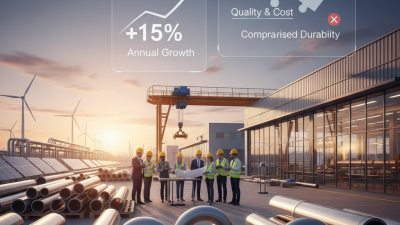
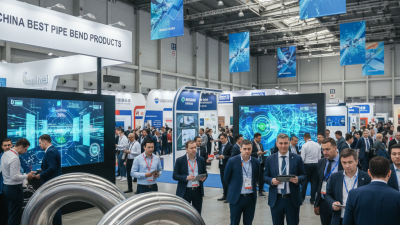
In the world of industrial manufacturing, finding quality products isn’t just important—it’s pretty much essential. Take Pipe Bends, for example—they play a key role in helping liquids and gases flow smoothly through pipes in all sorts of applications. So, choosing a reliable manufacturer really matters. Now, when it comes to sourcing these from China, you’re looking at a lot of options. There are plenty of manufacturers out there, each offering different features and qualities, but not all of them are created equal. It’s honestly worth doing your homework to find someone who can meet your specific needs. Some Chinese companies are really good, especially when it comes to advanced tech and strict quality control. But, yeah, others might not be as consistent. So, it’s a good idea to keep an eye on things like production capacity, customization options, and how much experience they have with exporting. Not every manufacturer has the same level of expertise or dependability, and making the right choice can make a big difference in your project's success. At the end of the day, knowing which manufacturers are trustworthy in China can help you make smarter decisions and avoid headaches down the line.

Overview of Pipe Bending Manufacturing in China
China has emerged as a significant player in the pipe bending manufacturing sector. The country boasts advanced technologies that streamline production processes and improve efficiency. Many manufacturers focus on meeting international quality standards. This dedication brings reliability to their products, making them preferred partners for global buyers.
The landscape of pipe bending involves both traditional techniques and modern innovations. While some manufacturers rely on manual methods, others utilize CNC machinery for precision. The blend of methods often leads to inconsistencies in quality. Therefore, buyers must carefully assess their options. It's crucial to evaluate a manufacturer's capabilities and quality assurance processes. Understanding these factors can prevent potential pitfalls in product reliability.
Sustainability is another growing concern within the industry. Many manufacturers are gradually adopting eco-friendly practices. However, not all companies prioritize this aspect. Buyers should inquire about the environmental policies of their partners. Transparent communication about these practices is essential for cultivating a trustworthy relationship. In a rapidly evolving market, awareness of these details can make a significant difference.
Criteria for Selecting Pipe Bend Manufacturers
When selecting pipe bend manufacturers, assessing their expertise is crucial. Look for companies with a solid track record in producing T Bend Pipe. A report by ResearchAndMarkets highlights that the global pipe market is projected to grow by $84 billion from 2021 to 2025. This rise indicates the increasing demand for reliable manufacturers.
Quality assurance processes are another essential factor. Manufacturers should implement stringent quality control measures. According to a study by MarketsandMarkets, nearly 40% of industrial failures are attributed to poor quality components. This underlines the need for pipe bends that meet high industry standards.
Lastly, consider the manufacturer's production capacity and technology. Advanced manufacturing techniques can enhance efficiency and reduce costs. Yet, sophistication in technology doesn’t always guarantee reliability. Some manufacturers might lack the experience needed to manage scaling production effectively. It's important to study past performance and client testimonials before finalizing your choice.
Top 10 Pipe Bend Manufacturers: A Detailed Review
When exploring the top pipe bend manufacturers in China, it's essential to look for quality and innovation. These manufacturers vary in expertise and product offerings. Some specialize in
TAPERED BEND DN 180/150
, which suits specific industry needs. Quality control is crucial, as slight imperfections can lead to significant issues.
Tips for choosing a manufacturer include checking production capacities and certifications. Evaluate their focus on research and development. Reliable companies invest in new technologies and comply with international standards.
A thorough understanding of materials used in bends can help ensure durability and performance.
Consider customer feedback and case studies. They can reveal hidden strengths or weaknesses in a manufacturer’s offerings. Transparency in pricing and terms is another factor that cannot be overlooked.
Some manufacturers may provide great products but lack in after-sales support. Reflecting on these aspects is vital when making a decision.
Key Technologies Used in Pipe Bending Production
Pipe bending is crucial in various industries, including construction and manufacturing. The production of pipe bends uses advanced technologies to ensure precision and quality. Key methods include rotary draw bending, swaging, and roll bending. Each technique has its advantages and specific applications.
TAPERED BEND techniques are particularly notable for applications requiring gradual change in diameter. This method enhances flow dynamics in pipelines. Understanding the technologies involved can help buyers make informed decisions. Some processes may produce less-than-perfect results, such as inconsistent wall thickness or minor distortions. Buyers should be aware of these potential drawbacks in the production stages.
*Tip: Always request samples before finalizing orders. Evaluate the bending quality and check for defects.*
Automation plays a significant role in current manufacturing practices. It allows for increased accuracy and reduced labor costs. However, dependency on technology can lead to oversights. Regular checks during production are essential to maintain quality standards.
*Tip: Encourage communication with manufacturers about their quality control processes.*
Top 10 Pipe Bend Manufacturers in China for Global Buyers
| Manufacturer |
Location |
Annual Production (Tons) |
Specialization |
Key Technologies |
| Manufacturer A |
Shanghai |
5000 |
Stainless Steel Bends |
Hydraulic Press, CNC Bending |
| Manufacturer B |
Beijing |
8000 |
Carbon Steel Bends |
Electromagnetic Forming |
| Manufacturer C |
Guangzhou |
6000 |
Alloy Bends |
Laser Cutting, Robotic Welding |
| Manufacturer D |
Shenzhen |
7000 |
PVC Bends |
Injection Molding |
| Manufacturer E |
Nanjing |
4500 |
Cupronickel Bends |
Metal Forming Technology |
| Manufacturer F |
Chengdu |
3000 |
Titanium Bends |
High-temperature Bending |
| Manufacturer G |
Xi'an |
7500 |
Brass Bends |
Cold Bending |
| Manufacturer H |
Hangzhou |
5200 |
Plastic Bends |
Thermoforming |
| Manufacturer I |
Tianjin |
6700 |
Aluminum Bends |
Roll Bending Technology |
| Manufacturer J |
Wuhan |
5800 |
Ferrous Bends |
Computerized Bending Systems |
Quality Standards and Certifications for Pipe Bends
When sourcing pipe bends from manufacturers in China, quality standards and certifications play a crucial role. Buyers should look for compliance with international standards like ISO 9001 and ASME. These certifications indicate a commitment to maintaining quality control throughout the production process. Many manufacturers undergo regular audits to ensure they meet these standards. This transparency builds trust and assures customers of consistent quality.
Another important factor is the material used in production. Pipe bends can be made from various materials, including stainless steel, carbon steel, and alloy steel. Each material has its own set of standards related to durability and corrosion resistance. It's beneficial to verify if the manufacturer provides certificates of compliance for the materials used. Such details can influence performance and longevity.
It is worth noting that not all manufacturers maintain high standards. Some may prioritize cost-cutting over quality. Buyers should conduct thorough research before finalizing a supplier. Looking for reviews or seeking recommendations can provide insights into manufacturers' reliability. Careful consideration of these aspects can lead to better purchasing decisions.
Market Trends Impacting Pipe Bend Manufacturing in China
In recent years, the pipe bend manufacturing sector in China has experienced significant shifts. This transformation is largely driven by increasing global demand and advancements in production technology. According to industry reports, the market size for pipe bending machinery has grown steadily, with a projection of a 5% compound annual growth rate (CAGR) over the next five years. This growth indicates a rising trend among manufacturers to embrace new techniques and materials.
One notable change is the integration of automation in pipe bending processes. Automated systems enhance precision and efficiency, which are critical for products like the 16 Ton Pipe Bender. However, the rapid adoption of these technologies sometimes creates gaps in skilled labor. Manufacturers must invest in training programs to ensure their workforce is proficient with evolving technologies. Additionally, the push for sustainability has led to more eco-friendly practices being incorporated into production lines. Yet, there remains a critical need to balance innovation with cost-effectiveness.
Market dynamics are also influenced by global supply chain disruptions. Recent events exposed vulnerabilities in sourcing materials, prompting manufacturers to seek local alternatives. This shift may affect pricing strategies and the availability of quality pipe bends. Adapting to these changes is crucial for maintaining competitiveness while ensuring product reliability. The ongoing evolution in the pipe bend industry reflects a complex interplay of innovation, workforce development, and supply chain management.
Conclusion: Choosing the Right Manufacturer for Global Buyers
When choosing a pipe bend manufacturer in China, buyers must consider various factors. The manufacturing industry is ever-evolving, with reports indicating that the global pipe bend market is projected to grow at a CAGR of 4.5% through 2028. This growth reflects the rising demand in construction and energy sectors. Therefore, selecting a reliable manufacturer is crucial.
Buyers should examine production capacities and technology used. A manufacturer with advanced machinery can ensure consistent quality. In contrast, those relying on outdated practices may produce subpar products. A recent industry survey revealed that over 30% of pipe bend failures stem from quality issues, underscoring the importance of precision in production.
Furthermore, it's essential to assess the manufacturer's certifications and compliance with international standards. Many manufacturers claim compliance, but not all maintain these standards consistently. Verifying this can prevent future issues. Engaging directly with manufacturers and visiting their facilities can provide deeper insights into their practices. Making an informed choice means balancing cost-effectiveness with quality assurance.
Top 10 Pipe Bend Manufacturers in China - Production Capacity Comparison
Optimizing Performance with Reliable Supplier Hydraulic Water Pump: Essential Components and Benefits of ANCHOR Delivery Pipe
Optimizing performance in hydraulic systems requires reliable components, and a crucial element is the hydraulic water pump paired with an efficient delivery pipe. When selecting these components, it is essential to consider their compatibility and how they work together to enhance overall system performance. A well-designed hydraulic water pump ensures consistent fluid delivery, which is vital for maintaining pressure and flow rate in various applications, from industrial machinery to agricultural systems.
The quality of the delivery pipe also plays a significant role in optimizing system efficiency. A robust delivery pipe minimizes friction losses and prevents leaks, ensuring that the hydraulic pump operates at its peak performance. Moreover, choosing the appropriate size and material for the pipe can impact durability and resistance to corrosion, extending the life of the hydraulic system. Together, a dependable hydraulic water pump and a high-quality delivery pipe create a synergistic effect, allowing for smoother operation and reduced maintenance costs.
In conclusion, focusing on the essential components, such as a reliable hydraulic water pump and an effective delivery pipe, is critical for improving performance in hydraulic systems. These elements work together to ensure efficient fluid management, ultimately leading to enhanced productivity and operational reliability. Prioritizing quality and compatibility in your choice of components will set the foundation for superior hydraulic performance.
FAQS
: Expertise and a strong track record are essential. Check their history in producing reliable products.
Stringent quality control measures are crucial. Poor quality components cause nearly 40% of industrial failures.
Compliance with ISO 9001 and ASME is vital. These indicate a commitment to quality control and consistency.
Different materials affect durability and corrosion resistance. Verify if manufacturers provide compliance certificates for materials.
Global demand and advanced production technology are driving changes. Automation and eco-friendly practices are becoming more common.
Automation enhances efficiency but can create skill gaps. Investing in workforce training is necessary for advancement.
Supply chain disruptions expose vulnerabilities. Manufacturers may seek local sourcing, impacting pricing and availability.
Conduct thorough research and look for reviews. Recommendations can provide insights into a manufacturer’s reliability.
No, some prioritize cost-cutting, which can compromise quality. It's crucial to verify standards before selecting a supplier.
Study past performance and client testimonials. This reflection is key for making sound purchasing choices.
Conclusion
The article "Top 10 Pipe Bend Manufacturers in China for Global Buyers" provides a comprehensive overview of the pipe bending manufacturing landscape in China. It outlines the key criteria for selecting manufacturers, emphasizing the importance of quality standards and certifications in ensuring the reliability of pipe bends. The detailed review of the top producers highlights their technological advancements and dedication to meeting international quality benchmarks.
Additionally, the article discusses the latest market trends that impact pipe bend manufacturing, offering insights into the evolving demands of global buyers. In conclusion, it stresses the significance of choosing the right manufacturer to ensure the quality and performance of pipe bends, which are crucial components in various industries. This guidance aims to assist global buyers in making informed decisions in the dynamic market of pipe bending.